
Top 5 Pool Cleaning Myths Debunked by Experts
Myth 1: Pools Require Daily Cleaning
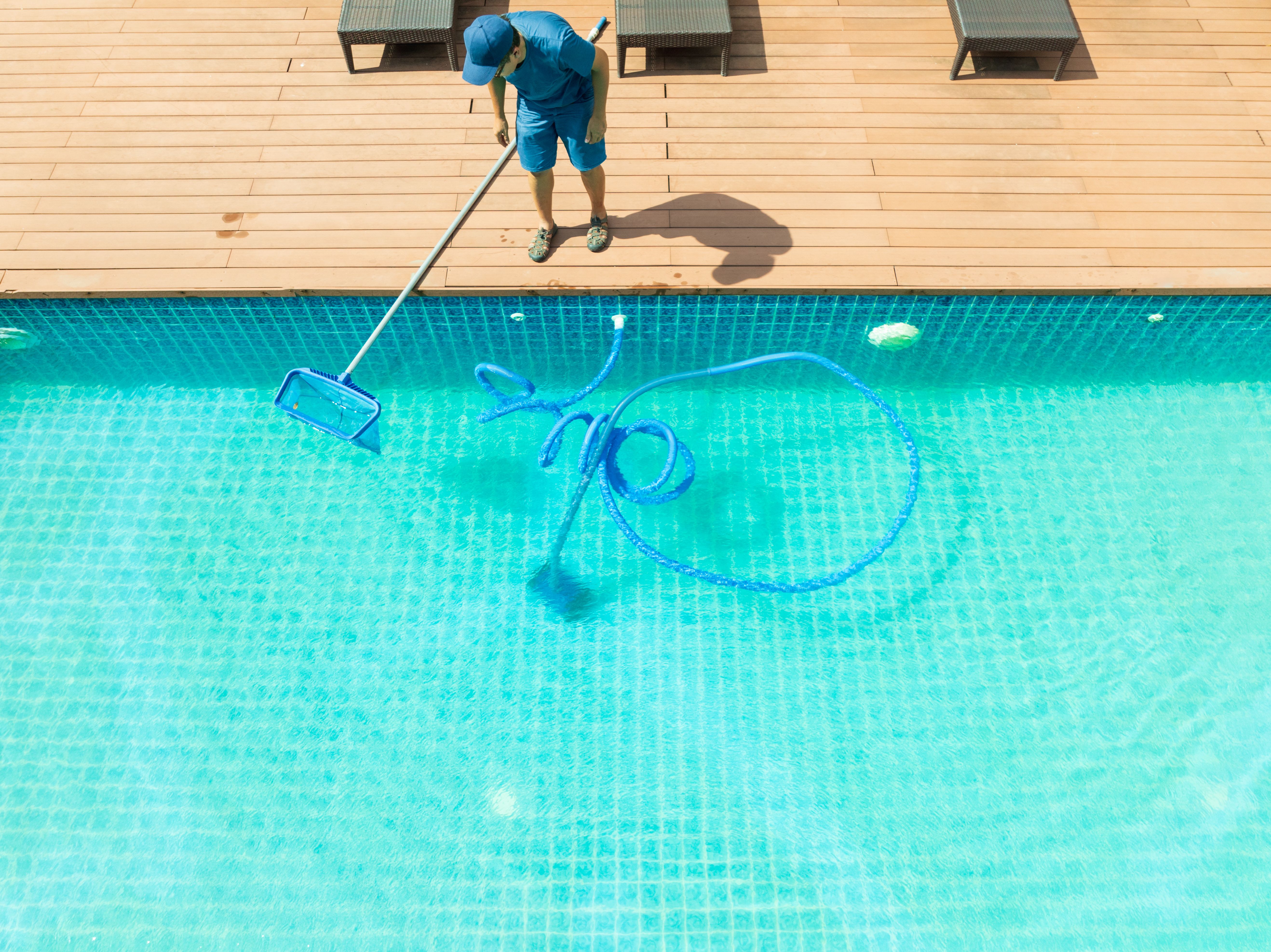
One common misconception is that pools need to be cleaned every single day. In reality, regular maintenance is important, but daily cleaning is often unnecessary. Most pools benefit from weekly maintenance, which includes checking chemical levels, skimming debris, and brushing the walls.
Experts suggest that keeping a regular schedule can help maintain water quality without the need for daily intervention. Investing in automatic pool cleaners can also reduce the effort required.
Myth 2: Chlorine is Harmful to Swimmers
Many people believe that chlorine is detrimental to health. However, when used correctly, chlorine is essential for keeping pool water safe by eliminating harmful bacteria and pathogens. The key is to maintain chlorine levels within the recommended range.
While some individuals may experience mild skin irritation, this is often due to improper chemical balance rather than chlorine itself. Regular testing and adjustment can prevent such issues.
Myth 3: Saltwater Pools Are Chlorine-Free
There's a widespread belief that saltwater pools do not contain chlorine. In fact, saltwater systems generate chlorine through a process called electrolysis. This method can be gentler on the skin and eyes, but chlorine is still present and necessary for sanitation.

Myth 4: Pool Covers Keep Water Clean
While pool covers are effective at reducing debris, they do not eliminate the need for regular cleaning. Covers can trap heat and help maintain water temperature, but they don't prevent algae growth or balance chemical levels.
Regular maintenance, including brushing and vacuuming, remains essential even with a pool cover in place. Pool covers are a helpful tool, but not a complete solution.
Myth 5: Clear Water Means a Clean Pool
It's a common assumption that clear water equals a clean pool, but this isn't always true. Harmful bacteria and pathogens can exist in crystal-clear water, posing health risks to swimmers. Regular testing of chemical levels and pH is crucial to ensure water safety.
By debunking these myths, you can enjoy a safer and more enjoyable swimming experience. Understanding the true requirements of pool maintenance will help you keep your pool in top condition without unnecessary effort or expense.