
Common Pool Maintenance Myths Debunked
Maintaining a swimming pool can seem daunting, especially with so many myths floating around. Let's dive into some common pool maintenance myths and set the record straight.
Myth 1: More Chlorine Means a Cleaner Pool
It's a common misconception that adding more chlorine will automatically make your pool cleaner. In reality, excessive chlorine can lead to skin irritation and damage pool equipment. The key is maintaining the right balance, typically between 1 to 3 ppm (parts per million). Regular testing and balanced chemical levels are crucial for a healthy pool.
It's important to remember that chlorine is just one part of a well-rounded pool maintenance routine. Filtration, circulation, and regular cleaning are equally important.

Myth 2: Pools Need to Be Drained Frequently
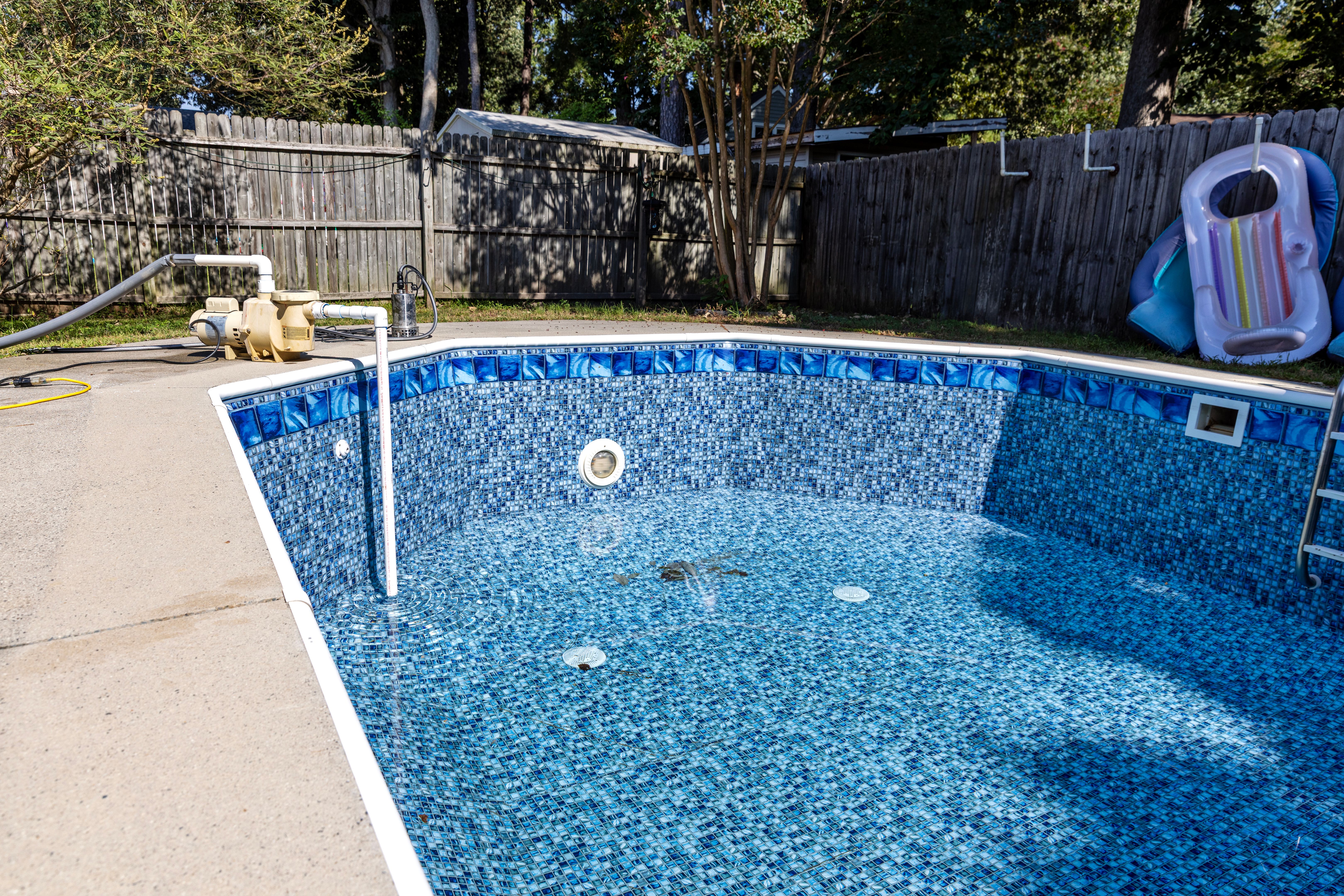
Draining a pool can be a costly and unnecessary task. Many believe it needs to be done annually, but this isn't true for most residential pools. Instead, water can be maintained with regular chemical balancing and filtration. Draining should only occur in specific situations, such as when performing significant repairs or correcting severe chemical imbalances.
Frequent draining can also be wasteful and harmful to the environment. It's best to consult with a professional before deciding to drain your pool.
Myth 3: The Pool Pump Should Run 24/7
Running the pool pump continuously might seem like a good way to keep the water clean, but it can lead to unnecessarily high energy bills. Most pools only require the pump to run for about 8 to 12 hours a day, depending on usage and size.
Installing a timer can help regulate the pump schedule effectively, ensuring your pool stays clean without breaking the bank.
Myth 4: Crystal Clear Water Means a Healthy Pool
Clear water might look inviting, but it doesn't always indicate a healthy pool. Algae and bacteria can still thrive in clear water, especially if chemical levels are not properly balanced. Regular testing and maintenance are essential to ensure your pool is safe for swimming.
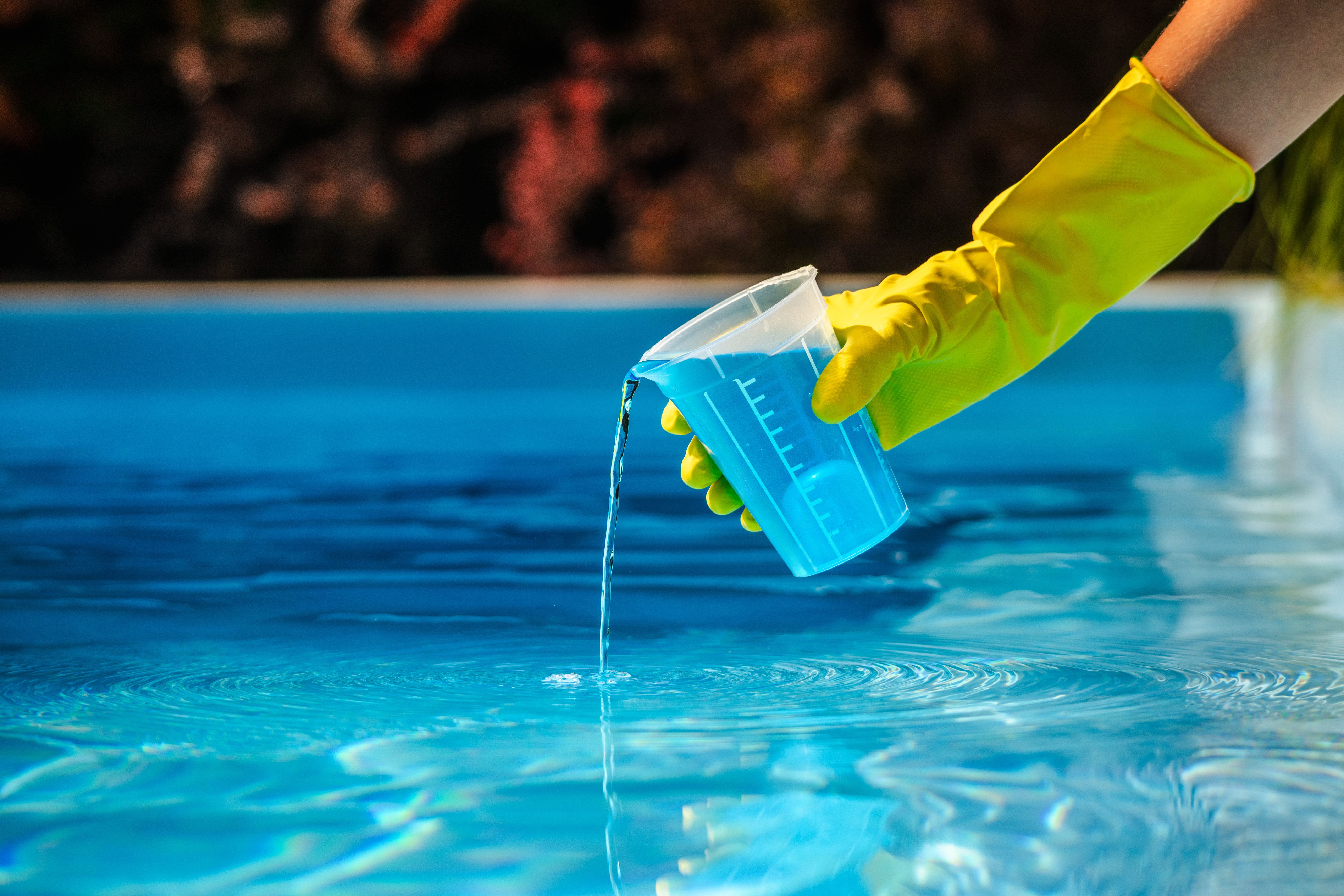
Using a reliable testing kit can help you monitor chlorine levels, pH, and alkalinity, ensuring your pool is not just clear but also safe.
Myth 5: Pool Maintenance Is Too Complicated for Homeowners
While professional assistance is always an option, many pool maintenance tasks can be easily handled by homeowners. Simple steps like skimming debris, checking chemical levels, and cleaning filters can be managed with minimal effort.
There are numerous resources and tools available to help pool owners maintain their pools effectively. Embracing a routine can make pool maintenance a manageable part of your schedule.
By debunking these myths, you can enjoy a cleaner, safer pool with less hassle. Understanding the truth behind pool maintenance can save you time and money, ensuring a summer full of fun and relaxation.